


Hiking First Aid
 Major injuries from hiking are rare. Walking doesn't tend to break bones or kill people. But, there are a whole bunch of smaller injuries and ailments that can make your day miserable. Being ready for the majority of them will make your trips more enjoyable and may help someone else that was not prepared.
First Aid Guidelines
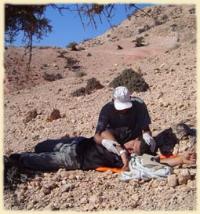 If a member of your hiking party is injured, you need to follow three guidelines. The highest priority is first, followed in order by the other two:
- Stay Alive - yourself, others, and the victim. Especially yourself. If you are unable to help, then no one gets out alive.
- Stabilize Injury - stop the injury from doing further damage to the victim. Stop bleeding, remove them from the cause.
- Start Recovery - make the victim better. Fix the injury or ailment as much as possible.
You always have to keep yourself safe. Then, you need to ensure the survival of everyone else. This means getting the group to warmer shelter if one person is becoming hypothermic rather than having everyone stop to help that one person. This means running out of the way of a rockslide rather than jumping into it to save someone falling. If someone is injured or sick, you need to check that every action you are taking follows one of the three guidelines. If it does not, then it is probably not a necessary action.
Prevention
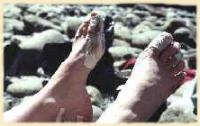 It is so much easier to provide first aid by preventing the need for it in the first place. Easily the biggest hazard for hikers is the environment - changes in weather or ill-prepared hikers get into the most trouble. Make sure everyone in your group has the necessary abilities to successfully complete the planned hike. Make sure they have proper clothing, plenty of water, and extra food. Everyone should have a small personal first aid kit and there should be one more complete kit for the group.
There are pages discussing specific preparation for hiking at altitude, hiking in heat, and hiking in cold that you should read.
Before you go hiking in a new area, find out about poisonous plants, snakes, insects, dangerous animals, and other possible hazards.
First Aid Kit
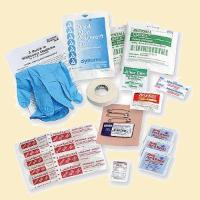 You can easily buy a ready-made first aid kit and there are some very good ones available through the links over on the right.
You may be able to save space by making your own, or by replacing some parts of a purchased kit. It is important that you know the purpose of and how to use every item in your kit - otherwise it's just extra weight.
You won't have much time to read a manual while administering to an injury.
Taking wilderness first aid training should be a personal goal before heading into the wilds. "Medicine for the Backcountry" by B. Tilton has a good reputation for providing helpful first aid information. If you are going into the backcountry, its a good idea to have a small first aid pocket guide along. There are quite a few available, most with help on diagnosing and treating ills and injuries. Wilderness Medical Institute in Colorado offers classes around the country but there are other organizations too.
Inspect your kit before every outing and make sure the gear is clean and supplies are in good condition. Replace expired medications and add items that would have been helpful on your last trip. Be sure the kit is easily accessible and everyone in the group knows who has it.
However you decide to go, the following is a list of items commonly agreed on as being essential for a first aid kit:
- Waterproof container - a strong zip-loc bag or plastic-lined kit bag. If it isn't waterproof, it will be a mess.
- nitrile exam gloves
- CPR face shield
- Bandages:
- Elastic roll bandage
- Adhesive tape
- Adhesive bandages, assorted sizes
- Butterfly bandages
- Gauze pads
- Triangular bandage
- New Skin in small plastic bottle; cuts, abrasions
- Moleskin and molefoam; blisters, irritation
- Consumable Items:
- Alcohol swabs
- Antiseptic ointment
- Chemical heat and cold packs
- Cotton swabs
- Dry-wash pads or wipes
- Other Gear:
- Mirror, small and unbreakable
- Safety pins
- Scissors
- Tweezers
- Bulb irrigating syringe
- Drugs:
- Antacid
- Antibiotic (Dicloxacillin, etc.); skin infections
- Antihistamine (Benadryl, etc.); allergic reactions, insomnia
- Anti-inflammatory (Ibuprofen); inflammation, pain
- Hydrocortisone cream (soothes allergic skin)
- Potable Aqua; iodine water treatment
 Hiking Navigation
 Getting Found
All Comments:
Nov 15, 2012 - rich
Oct 16, 2014 - doghiker
Feb 03, 2017 - John
Ask a Question
Find more Hiking Resources at www.HikingDude.com
Follow Me
Recent Comments