

Winter Hiking Adventures
 I really like hiking in late fall and winter because there are no bugs and few people. The trees have lost their leaves so you can see further and its never too hot! But, of course, there are some safety issues when winter hiking and a few things need to be done differently.
Comfortable Winter Hiking
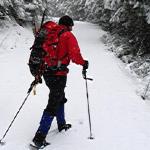 Cold and damp are the two most common factors in making you miserable in the winter. But, lots of your normal hiking gear works just as well in the winter. Here's some gear ideas:
- Wear waterproof hiking boots instead of light-weight shoes. Use hiking socks and a polypropylene sock liner.
- Wear polypropylene long underwear tops and bottoms.
- Keep wearing your zip-off nylon hiking pants but add snow gaiters to keep snow out of your boots.
- Keep using the layering system but add an extra fleece layer.
- Leave all cotton shirts and pants at home.
- Add mittens, fleece hat, and scarf or balaclava. Mittens that have a liner are better for layering.
- Keep using sunscreen.
- Drink more and eat more than on summer hikes. The drier winter air will suck more moisture with every breath you take. You will be carrying more weight and working harder to keep your body heat up so you will also consume more calories. Eat small amounts often.
- Use a water bottle instead of hydration pack with a long tube that can freeze.
- Add a 2x2 foot section of foam pad for a dry place to sit.
Winter Hiking Hints
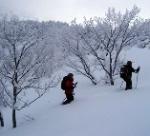 Some changes to your plans and expectations for winter may be required. Besides waiting for nice weather so you can really enjoy the day, also keep in mind:
- Don't Sweat. Really, try not to sweat. If you start warming up, slow down or rest a bit. Once you get wet from sweat, you have a good chance of getting chilled when you stop and all that sweat starts to freeze. Take it easy and stay warm but not too warm.
When you do sweat (and I'm sure you will), take off as many layers as you can to minimize the sweating. Hiking in winter in shorts and a long underwear top works fine if you are generating enough heat. Help that sweat evaporate away and be ready to quickly get your fleece on when you stop for a break. - Take a Hat. Put it on if you feel cool; take it off if you feel warm. You lose lots of heat out your head so it makes a good radiator.
- Start Out Cold. When you get out of your car, put on your gear, and are ready to start, you'll probably be thinking it feels pretty cold so you make sure you put on your jacket. After hiking for 10 or 20 minutes, you're heating up so you need to take your jacket off. Start out feeling a little cold and as you hike, you will warm up just great. If, after 20 minutes or so, you are still feeling too cool, then add layers.
- Days are shorter. You should plan shorter hikes so you are finished well before sunset. Make extra sure to have a map and flashlight 0 you don't have many hours of make-up time.
- Trails are more treacherous. Ice, snow, mud can make trails more difficult. A hiking pole can help, but carefully steps and keeping your eyes open are better measures.
- Water is still needed. There's a real good chance you won't feel thirsty because of the cold, but you still need to drink water. Check your water bottle every hour to make sure you're drinking what you should.
- Sun can still burn. Even though the sun is lower in the sky, it can still cause sunburn, especially when there's snow cover. Lip protection is especially useful since chapped lips are another winter problem.
- Hike with a friend. Chances of someone else coming be are much less in winter. And, your cell phone may not get reception where you fall.
- Take a couple chemical handwarmers just in case you start getting chilled.
Hypothermia
 On the Desert Hiking page, we discussed how heat stroke can occur when your body can no longer cool itself down. Hypothermia is the opposite - your body can't generate enough heat to keep the body core at a safe temperature. Hypothermia is definitely a life-threatening condition requiring immediate response.
Prolonged exposure to air temperatures in the 50s or submersion in water temperatures in the 60s can cause hypothermia - it doesn't have to be freezing cold out. The lower the temperature, the faster hypothermia sets in and the less time you have to correct it.
Hypothermia Symptoms - Any of these can indicate hypothermia, it is not necessary to have all of them. Err on the side of being over-cautious. Shivering, apathy, cold-pale skin, poor judgment, unsteadiness, slurred speech, numb hands or feet.
Advanced symptoms include stiffness, slow pulse, shallow breathing, sleepiness, weakness, unconsciousness.
Hypothermia Treatment - Restore core body temperature. Get the victim to a warm, dry place, preferably indoors. Use warm blankets, hot water bottles, body warmth to warm them up. As long as they continue to breathe very cold outside air, it will be more difficult to warm them - get them inside a tent or building quickly.
Frostbite / Frostnip
 Your body may be nice and warm, but an area of uncovered skin can be harmed by cold, windy conditions. Usually, fingers, ears, nose, and toes are victims to frostnip and frostbite.
Frostnip does no permanent damage. It is a loss of heat from the affected area and goes away when the area is warmed up again.
Frostbite is the actual freezing of the skin and tissue under it. There are four degrees of frostbite from the outer layer of skin all the way to frozen muscles and bones.
Frostbite Symptoms - Numbness, white skin, cold, rubbery.
Advanced symptoms include skin that feels stiff or rubbery to the touch, red swollen skin and blisters, dry black rubbery skin.
Frostbite Treatment - Get the victim to a warm, dry location, preferably indoors. Give pain relief because the rewarming brings a lot of pain with it. Rewarm the affected area safely. It is recommended to use water that is around 100F degrees. Rewarming the area while still outside may cause more trouble because it may refreeze.
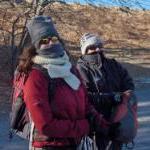 These few hints and tips will hopefully help make your next winter hike more enjoyable and safe. Depending on where you plan on hiking, you made need much less extra gear due to mild climate. Or, you may also need to consider snowshoes, crampons, ice axes, parkas, and more extra winter gear. The most important thing you can take with you into the wild in winter is Common Sense - which sometimes seems to be uncommon.
Be ready to postpone your hike or shorten it or go on a different route if the weather is not cooperating. When a hiker feels that he just has to complete a hike, that is when he gets himself in trouble.
Remember, its supposed to be Fun!
 Minimal Impact Hiking
 Hiking Safely
All Comments:
Aug 09, 2013 - Shadi Nasser
Ask a Question
Find more Hiking Resources at www.HikingDude.com
Follow Me
Recent Comments