


Hiking Packs
Pack It In, Pack It Out
 On a hike, everything you want or need will be carried with you. If you can get by with a granola bar and bottle of water, then you've got a light load. That camera, tripod, cellphone, bottle of wine, kitchen sink will all add extra weight right on your back. So, everything you leave at home is weight off your back. Those things you do need to bring should be carried as comfortably and easily as possible. Choosing an adequate, well-fitted pack will make your hikes much more enjoyable.
There are three general sizes of pack you might consider for your hiking trips. Depending on the size of your group, length of your trip, weather, and extra gear you need for activities, you should choose the smallest size required.
Fanny Pack
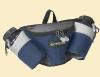 Also called waist packs, lumbar packs, or hip packs, these small pouches are intended to carry personal belongings on day hikes. Fanny packs are light and very useful. They have many different features such as built in water bottle holders, compartments for different gear, and loops to hang stuff.
You can wear a fanny pack around your waist, draped over a shoulder, or by the handle in case you get tired of carrying it any particular way. They are meant to be carried in the small of your back, but I sometimes spin mine around to the front and carry it there when I need to get at stuff while hiking.
Be aware that overloading a fanny pack may become uncomfortable because it will sag and bounce around. If you have that much stuff, step up to a larger day hiking pack.Day Hiking Pack
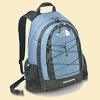 A day hiking pack has shoulder straps but no waist belt. It is intended to carry lighter loads on the shoulders for which you do not need the waist support. There is no sharp line between hiking day packs and back packs - starting with tiny packs, you can find larger and larger and larger packs, some with hydration systems, some with added chest strap, and some with waist strap.
A day pack is only carried on the shoulders, but since its larger, that's probably the only way you would want to carry it. Your day pack should be big enough to hold all the gear you need, but not much bigger - or you will be tempted to fill it up, meaning more weight and strain on you.Back Pack
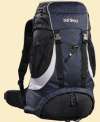 For day hikes, you really shouldn't need a hiking back pack unless you are geared up for cold weather, are going a long distance, or are carrying gear for others. If you are training for an extended trek, then using your backpack whenever you can is a good idea, too.
Hiking back packs are made for heavy loads so they have complex systems of strapping, padding, and support to make the load as comfortable on your body as possible. Taking the time to adjust your back pack occasionally during a hike will keep things balanced and situated. An off-center pack or a strap rubbing or a hard point in your back can make for an unpleasant hike quickly.
Whichever kind of pack you decide to use, make sure you are able to keep the contents safe from rain. A fanny pack should fit under your rain coat and you should have a cover for your hiking day pack or back pack.
Get a pack based on its features and fit, not on fashion. No one really looks cool wearing a pack anyway, so don't worry about it. But, try to get neutral, earthy colors to lessen your visual impact on the environment.
Ask Me about Hiking Packs!
 Considering Hiking Poles
 Understanding Hiking Umbrellas
All Comments:
Feb 23, 2014 - Wium la Cock
Pure gold this website, thanx man. I am a South African and we get things as tough as they come down here. You surely know your stuff. No gimmicks or gadgets, just plain old trustworthy, tried and tested info. Keep it up dude.
Sep 12, 2016 - chris
Excellent. I googled waist packs vs backpacks & wasted hours reading not-so helpful articles on other sites & finally ended up here. This was exactly what i needed.
Ask a Question
Find more Hiking Resources at www.HikingDude.com
Follow Me
Recent Comments