

Hiking in Snake Country
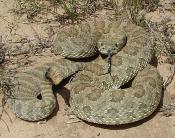 Put enough miles on the trail and you are bound to encounter snakes. Snakes are good - they eat mice and other little critters. Snakes don't want to hurt you - humans are not their prey.
For the most part, snakes just give people the creeps. In North America, there are less than a dozen snake-bite deaths each year out of about 8,000 reported bites. Some experts figure there are probably another 30,000 bites that aren't reported. Of those deaths, the majority are because the victim did not seek medical aid.
Rattlesnakes, cottonmouths, and copperheads are all vipers and the ones to watch out for. They may release venom which causes local tissue damage and bleeding in the body. Estimates of 25% to 50% of bites are dry bites, meaning no venom is released.
Snake Bite Prevention
 You will probably first hear a snake before seeing it, so keeping those earbuds in your pocket might be a good idea. Here's some other ideas to consider:
- Keep your eyes and ears open.
- Feet and ankles are the most common bite locations, followed by hands. Don't step or put your hand someplace you can't see. Wear protective footwear and long pants or gaiters.
- Stay on the trail and avoid grass, weeds, and brush.
- Use trek poles or walking stick. They will be a bit ahead of you and to the sides so snakes may strike them instead of you.
- Use caution when picking anything off the ground - wood, rocks, even your shoes or pack after it has sat for awhile.
- Look around before sitting down.
- Hike with a buddy.
- Respect wildlife - do not harrass snakes.
Snake Bite Treatment
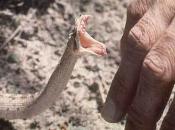 If a snake bites you or another hiking partner:
- Infection is a concern, whether venomous or not - get medical help.
- Help the victim remain calm to slow the spread of venom. Let them know that many snake bites are dry.
- Clean and dress the puncture wound.
- Remove jewelry and other potentially constricting items before the swelling begins.
- Immobilize the bitten limb with a splint and keep the victim from exerting himself to slow the venom.
- Transport the victim as quickly as possible to a hospital for anti-venin treatment. Since the victim should exert as little as possible, carrying on a stretcher would be best. The victim could walk out at a relaxed pace to minimize exertion.
- Don't use a tourniquet or constriction bandage.
- Don't cut the wound or attempt to remove the venom.
- Don't use electric shocks or apply ice.
- Don't drink caffeine or alcohol.
- Don't try to capture the snake, but try to remember its color and shape so you can describe it, which will help in your treatment.
 Handling Nuisance Animals
 Bugged by Bugs
All Comments:
Jun 21, 2019 - Allen
Ask a Question
Find more Hiking Resources at www.HikingDude.com
Follow Me
Recent Comments